
The Rosicrucian Counterculture - Ronnie Pontiac - diskuze

Výrobce: Inner Traditions Bear and Company
EAN: 9798888500354
Výrobní číslo: 9798888500354
A cultural exploration of the esoteric movement and its historical impact and legacy• Examines the Rosicrucian involvement of figures like Rene Descartes, Robert Fludd, John Dee, Elias Ashmole, and the alchemist pirate Prince Rupert of the Rhine• Traces the saga of Rudolf II, Holy Roman Emperor, and his countercultural successors Frederick and Elizabeth, who triggered the Thirty Years’ War• Shows how Rosicrucianism inspired the English Revolution and explores the Rosicrucianism of John Winthrop the Younger, Connecticut’s founderSince the appearance of Rosicrucian manuscripts in 17th-century Germany, historians have questioned the authorship, intent, and significance of this esoteric movement. In this book, Ronnie Pontiac shows how Rosicrucianism’s underground influence in the early-modern period continues to the present, providing the important historical context of this invisible society. Pontiac looks at the esoteric culture around Holy Roman Emperor Rudolf II and his court, including figures like John Dee, Tycho Brahe, and Rabbi Loew, the legendary creator of the Golem of Prague. Despite occultists’ fascination with Rudolf ’s successors, Frederick and Elizabeth, at the start of the Thirty Years’ War—and Rosicrucian efforts to make Frederick the first Protestant Holy Roman Emperor—the esoteric renaissance in Bohemia was short-lived. However, this wasn’t the end of Rosicrucianism. Pontiac ex
Cena 594 Kč v 1 obchodě
Dotazy, recenze a diskuze k The Rosicrucian Counterculture - Ronnie Pontiac
Přidat dotaz
Přidat rezenci, hodnocení
Přidat rezenci, hodnocení
 Tell Tale - Archer Jeffrey
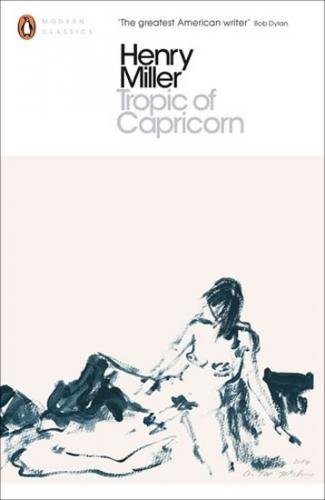 Tropic of Capricorn - Miller Henry
 Kid's Box Level 3 Activity Book with O
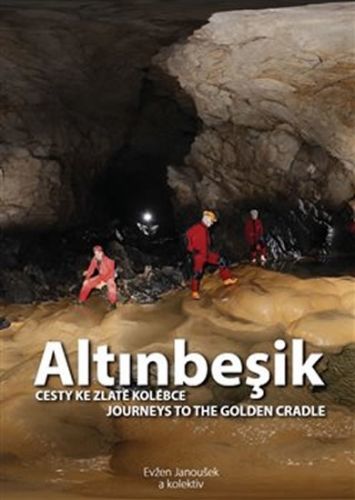 Altinbesik
- Janoušek Evžen
Altinbesik
- Janoušek Evžen Bolesti páteře a velkých kloubů 2 - Ma
 Tichý blázen
 Bibiana píská na prsty
- Binar I
Bibiana píská na prsty
- Binar I Tančím tak rychle, jak dokážu
 Cesty za poznaním a objavmi
 Akim Dětské mandaly Krtek omalovánky 2
 Račte pivečko nebo vínečko? díl IV.
 Jak se dělá... aneb co Čapek nenapsal


Přidat dotaz