
Forcing Justice: Violence and Nonviolence in Selected Texts by Thoreau and Gandhi - Mahátma Gándhí, Henry David Thoreau - diskuze

Výrobce: Saga Egmont
Can justice be forced on individuals and communities?
The essays in this collection by Henry David Thoreau urge us to consider the difficult matter of how to counter the specific injustice manifested in the practice of buying and selling human beings and how to implement laws and practices that help establish justice.
Of the many philosophical ideas Thoreau explores, the central concern is how to end slavery and provide justice for all. It is no surprise to find Thoreau defending the idea of civil disobedience, but his defense of John Brown, who used violence, including murder, commands our attention.
The Civil Rights movement of the 1960s and 1970s in the U. S. was heavily influenced by the rhetoric, the actions, and the overall philosophy of Martin Luther King, Jr. , who famously combined civil disobedience and nonviolent action under the strong influence of Mohandas K. Gandhi. Although Gandhi staunchly defends and promotes the use of nonviolence, he is quick to condemn inaction as an even greater evil than violence. If forced to choose between doing nothing and using violence, he would choose violence; but his many writings and speeches are designed to show that we almost always have a nonviolent alternative to oppose injustice and foster justice.
The lives of more than a billion residents of India have been profoundly shaped by the ideas Gandhi presents and defends in these selections from MY NONVIOLENCE. The liberation of India from British coloni
The essays in this collection by Henry David Thoreau urge us to consider the difficult matter of how to counter the specific injustice manifested in the practice of buying and selling human beings and how to implement laws and practices that help establish justice.
Of the many philosophical ideas Thoreau explores, the central concern is how to end slavery and provide justice for all. It is no surprise to find Thoreau defending the idea of civil disobedience, but his defense of John Brown, who used violence, including murder, commands our attention.
The Civil Rights movement of the 1960s and 1970s in the U. S. was heavily influenced by the rhetoric, the actions, and the overall philosophy of Martin Luther King, Jr. , who famously combined civil disobedience and nonviolent action under the strong influence of Mohandas K. Gandhi. Although Gandhi staunchly defends and promotes the use of nonviolence, he is quick to condemn inaction as an even greater evil than violence. If forced to choose between doing nothing and using violence, he would choose violence; but his many writings and speeches are designed to show that we almost always have a nonviolent alternative to oppose injustice and foster justice.
The lives of more than a billion residents of India have been profoundly shaped by the ideas Gandhi presents and defends in these selections from MY NONVIOLENCE. The liberation of India from British coloni
Cena 194 Kč v 1 obchodě
Dotazy, recenze a diskuze k Forcing Justice: Violence and Nonviolence in Selected Texts by Thoreau and Gandhi - Mahátma Gándhí, Henry David Thoreau
Přidat dotaz
Přidat rezenci, hodnocení
Přidat rezenci, hodnocení
 Průvodce výtvarným uměním II
 Duše stromů - Pohnerová Marta, Zerzán
  Automobily 4 - Příslušenství
 Psáno na vodu palbou kulometnou II - J
 Motýlek - CDmp3 (Čte Norbert Lichý) -
  MFP Paper s.r.o. Omalovánky MFP Motork
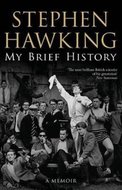 Hawking Stephen W.: My Brief History
 Osho o ženách
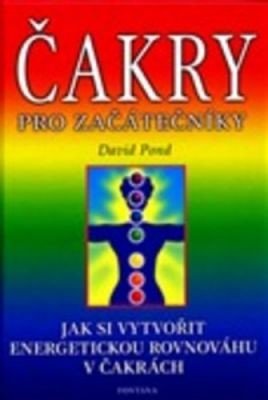 Čakry pro začátečníky
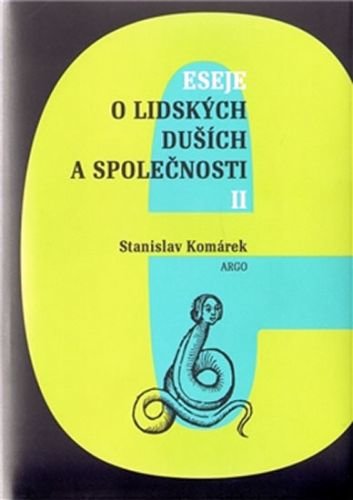 Eseje o lidských duších a společnosti
  Richard Fremund - monografie
 Od revolúcie 1848 - 1849 k dualistické















Přidat dotaz